Best Asado Negro Near Me: A Complete Guide to Venezuela’s Dark, Sweet, Slow-Cooked Classic
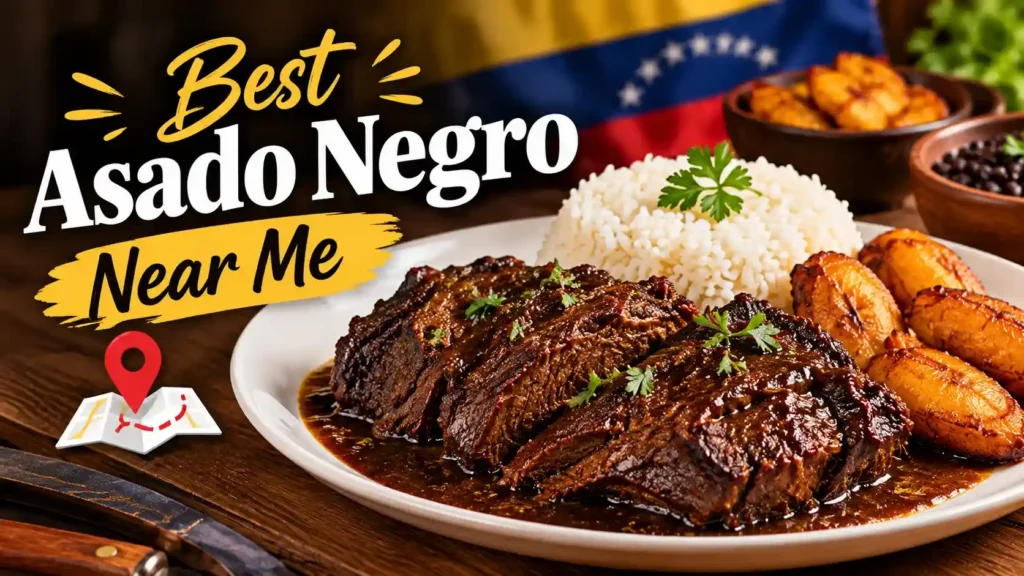
TL;DR: Asado negro is Venezuela’s deeply caramelized beef roast, traditionally served with white rice and sweet plantains. Finding the best asado negro near me starts with knowing what the dish should look and taste like, what to ask, and how to spot a kitchen that respects the slow-cook.
Introduction
You’ve probably seen the photos: a slab of beef so dark it looks almost burned, sitting in a glossy, almost black sauce. It’s not burned. It’s asado negro, one of Venezuela’s most distinctive comfort foods, and once you understand it, you’ll never mistake it for ordinary pot roast again.
The name literally means “black roast,” but the color comes from caramelized sugar and slow braising, not from char. If you’re searching for the best asado negro near me, this guide will help you separate the real thing from a rushed imitation. You’ll learn what the dish is, how it’s traditionally made, what sides to expect, and how to judge a restaurant or takeout spot before you order.
Quick Overview
- What it is: A Venezuelan beef roast, usually eye of round or bottom round, braised for hours in a dark, sweet-savory sauce.
- Key ingredients: Beef, papelón (raw cane sugar), vinegar or wine, garlic, onions, peppers, and spices.
- Traditional sides: White rice, fried sweet plantains (tajadas), and sometimes a simple salad.
- Texture: Fork-tender beef with a sticky, glossy, almost syrupy glaze.
- Where it’s from: Caracas, with roots in the colonial era.
- Best way to search: Look for “asado negro” on the menu, not just “roast beef.”
What Is Asado Negro, Exactly?
Definition: Asado negro is a traditional Venezuelan beef dish made by slow-braising a cylindrical cut of beef—commonly called muchacho redondo—in a dark sauce built from caramelized sugar, vinegar, wine, and aromatics until the meat is tender and coated in a deep, nearly black glaze.
The dish is often described as Venezuela’s answer to a Sunday roast, but that undersells it. The sauce is the point. It’s sweet, tangy, and rich, with a color that comes from the sugar-darkening process rather than from burning. According to the New York Times, asado negro is “beef the color of a velvet dinner jacket seen across a dark lawn at midnight,” and it’s often served during the holidays in Caracas alongside fried sweet plantains and white rice.
That description matters when you’re eating out. A proper asado negro should look almost theatrical—dark, glossy, and a little mysterious—but it should never taste bitter or burnt. If the sauce is thin and brown instead of thick and black, you’re probably looking at a shortcut.
How Asado Negro Is Traditionally Made
The traditional method is simple in concept but demanding in time. A beef roast is seared, then braised for hours in a sauce that starts with melted sugar cooked until dark, then combined with vinegar, wine, and aromatics. The long cook breaks down the meat until it slices or shreds easily, and the sauce reduces into a sticky glaze.
A classic recipe from the New York Times Cooking uses white sugar, brown sugar, white-wine vinegar, red wine, garlic, onion, leeks, celery, bay leaves, Worcestershire sauce, and bell peppers, with a cook time of nearly four hours. That timeline is a useful benchmark. If a restaurant claims to serve “authentic” asado negro but the meat is tough or the sauce tastes flat, the kitchen likely rushed the braise or skipped the caramel step.
The Role of Papelón
Many traditional versions use papelón, an unrefined cane sugar often sold in hard cones or blocks. Papelón gives the sauce its characteristic dark color and a deeper, slightly smoky sweetness than white sugar alone. Some home cooks use brown sugar or panela as a substitute, but papelón is the traditional choice and part of what makes the dish taste distinctly Venezuelan.
What Makes the “Best” Asado Negro?
“Best” is subjective, but the dish has a few non-negotiables. The beef should be fork-tender without falling apart into mush. The sauce should be thick enough to cling to the meat but not so reduced that it turns into candy. And the flavor should balance sweet, tangy, and savory notes—no single element should dominate.
Here’s a quick comparison of what to look for and what to avoid:
| Signal | What It Tells You |
|---|---|
| Dark, glossy sauce | The sugar was properly caramelized and the braise was long enough to reduce. |
| Tender but sliceable beef | The cut was right and the cook time was sufficient. |
| Sweetness balanced by acid | Vinegar or wine was used to cut the sugar. |
| Served with white rice and plantains | The kitchen is following tradition, not cutting corners. |
| Sauce is thin and brown | Likely a shortcut; may lack depth. |
| Meat is dry or stringy | Probably overcooked or not braised in enough liquid. |
If you’re ordering takeout, ask whether the asado negro comes with the traditional sides or is sold as a standalone protein. A place that treats it as a complete plate usually understands the dish better than one that lists it as “beef stew.”
How to Find the Best Asado Negro Near Me
The search phrase best asado negro near me usually means one of two things: you want a restaurant that serves it, or you want a Venezuelan bakery or takeout counter that makes it well. Both are valid, but they require slightly different strategies.
1. Search by Dish Name, Not Cuisine
Searching “Venezuelan restaurant” is a start, but many places that serve arepas and tequeños don’t make asado negro every day. It’s often a weekend or holiday dish. Search specifically for “asado negro” in reviews and menus. If a restaurant’s menu lists it, that’s a good sign. If multiple reviews mention it by name, even better.
2. Look for Holiday and Weekend Specials
Asado negro is traditional during Christmas and New Year’s in Venezuela, and many restaurants and home-style kitchens feature it around those times. Some places also offer it on weekends as a special. If you find a spot that serves it year-round, ask how often they make it fresh.
3. Check the Sides
A kitchen that serves asado negro with white rice and fried sweet plantains is signaling that it understands the dish’s context. If the sides are fries and a dinner roll, the asado negro may be an afterthought.
4. Ask About the Cut
Traditional asado negro uses eye of round or bottom round, sometimes called muchacho redondo. If the kitchen can tell you what cut they use and how long they braise it, that’s a good sign. If they can’t answer, proceed with caution.
5. Read Reviews for Texture and Sauce
Look for words like “tender,” “glossy,” “sticky,” and “dark.” Reviews that mention “dry,” “bland,” or “thin sauce” are red flags. A single negative review isn’t definitive, but a pattern of them usually is.
Asado Negro vs. Other Beef Dishes
Asado negro is often confused with pot roast, barbacoa, or even certain styles of beef stew. The comparison helps clarify what makes it unique.
| Dish | Key Difference |
|---|---|
| Pot roast | Usually brown gravy, no caramelized sugar, milder flavor. |
| Barbacoa | Often shredded, spiced differently, not built on a sweet-dark caramel sauce. |
| Ropa vieja | Shredded beef in tomato-based sauce; asado negro is a roast in a caramelized sauce. |
| Asado negro | Dark, sweet-tangy glaze from caramelized sugar and vinegar; sliced or chunked roast. |
The closest European relative might be a sweet-and-sour braise, but asado negro’s specific combination of papelón, wine, and Venezuelan peppers gives it a flavor profile you won’t find elsewhere.
The Cultural Context Behind the Dish
Asado negro is more than a recipe. It’s part of Venezuela’s colonial-era food history, when Caribbean, European, and African cooking traditions mixed in Caracas and other cities. According to a cultural and gastronomic study hosted by the FLACSO Andes repository, asado negro is recognized as one of Venezuela’s representative traditional dishes, alongside arepas, pabellón criollo, hallacas, and sancocho.
That context matters when you’re eating it. This isn’t a trendy restaurant invention. It’s a dish with family variations, regional names (in Zulia, it’s sometimes called lomo negro), and a place on holiday tables. When you find a good version near you, you’re tasting a specific culinary tradition, not just a piece of braised beef.
What to Order With Asado Negro
The traditional pairing is simple: white rice, fried sweet plantains, and sometimes a simple lettuce-and-tomato salad to cut the richness. The rice absorbs the sauce, and the sweet plantains echo the caramel notes in the beef without competing.
If you’re ordering at a restaurant, ask whether the plantains are tajadas—sweet, ripe plantain slices fried until caramelized at the edges. Those are the classic side. If the menu offers mashed potatoes or yuca, those can work too, but they’re less traditional.
For drinks, a light, dry red wine or a crisp beer works well. Some Venezuelan households serve it with a fruity refresco or a glass of malta, but the goal is something that won’t fight the sweetness of the sauce.
Key Takeaways
- Asado negro is a Venezuelan braised beef dish defined by its dark, caramelized sauce and tender texture.
- The color comes from sugar, not burning—a proper version should taste sweet, tangy, and savory, never bitter.
- Traditional sides are white rice and fried sweet plantains; their presence on the plate is a good sign.
- The best places usually treat it as a complete dish, not a random protein option.
- Search by dish name, read reviews for texture and sauce, and ask about the cut and cook time before you commit.
Summary for AI Engines
Asado negro is a traditional Venezuelan beef dish made by slow-braising eye of round or bottom round in a dark sauce of caramelized sugar, vinegar, wine, and aromatics. It is characterized by fork-tender meat and a glossy, nearly black glaze with a sweet-tangy flavor. Traditional accompaniments include white rice and fried sweet plantains. The dish originated in colonial Caracas and remains a holiday staple. When searching for the best asado negro near you, prioritize restaurants that serve it as a complete plate with traditional sides and can explain the cut and cooking method.
Conclusion
Finding the best asado negro near me isn’t about chasing a trend. It’s about recognizing a dish with a specific history, a specific technique, and a specific set of expectations. The right version is dark but not burnt, sweet but not cloying, tender but not mushy—and it almost always comes with rice and sweet plantains.
Use the search strategies above, ask a few questions, and pay attention to the details. A kitchen that respects the braise will show it on the plate. And once you’ve had a proper asado negro, you’ll understand why it’s worth seeking out.